Gardeners Shepherds Bush: Recycling and Sustainability
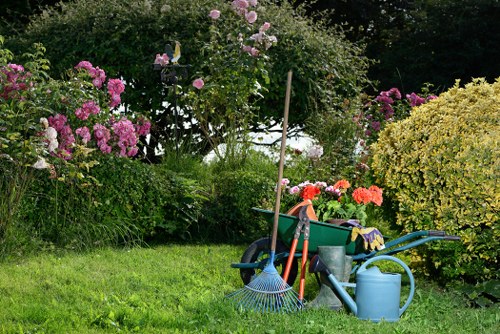 Gardeners Shepherds Bush is committed to creating an eco-friendly waste disposal area and a thriving sustainable rubbish gardening area across Shepherds Bush. Our approach blends practical garden waste management with urban reuse, diverting green waste from landfill and keeping compostable material in the local circular economy. We focus on source separation, reduction of single-use plastics in gardening, and turning cuttings and prunings into useful compost for community plots.
We work to align with the borough's wider waste separation patterns — light-touch coordination with local authority schemes that separate organics, dry recyclables and residual waste helps us increase capture rates. By encouraging customers and community gardeners to separate garden organics, pots, soil and inert waste at source, we make the eco-friendly rubbish disposal process smooth and efficient. Every seedling of effort helps reduce carbon emissions and saves resources.
 Our on-site sorting and temporary transfer locations are designed to make the sustainable gardening area practical for everyday use. We operate dedicated areas for wood, green waste, metals and clean plastics so that valuable materials can be redirected to reuse or appropriate recycling streams. This kind of organisation is crucial to meet and exceed our recycling percentage target and creates a clearer path for reuse partners and transfer stations.
To be accountable and ambitious we have set a formal recycling percentage target: a minimum of 70% recycling and reuse of garden and household garden-related waste within the next three years. This target includes composted green waste, recycled wood and timber, rehomed tools and hardware, and materials passed to partner charities for resale or repurposing. The target is reviewed annually and benchmarked against neighbouring boroughs and London-wide sustainability goals.
Our strategy relies on clear operational links to local transfer stations and waste hubs. We consolidate segregated loads and route them to borough-approved transfer depots and recycling centres, and where appropriate to regional organics processors. These relationships reduce redundant hauling and support faster turnaround of compost and reusable materials for community garden projects and public planting schemes.
Local partnerships and reuse networks
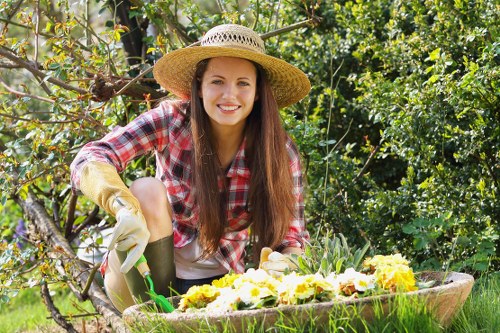
We build strong collaborations with charities and reuse organisations to keep useful items circulating. Partnerships include donation and resale routes with local reuse shops and national charities that accept tools, hardware, plant supports and undamaged pots. By redirecting serviceable items to charities we extend product life and strengthen circular-economy outcomes in Shepherds Bush.Key partners range from community allotment groups to established charities and social enterprises. We actively coordinate collections for smaller charities that prefer consolidated drop-offs at nearby community hubs, and we provide documentation to ensure traceability of donated items. These charity partnerships are part of our measurable approach to building a resilient sustainable rubbish gardening area and increasing overall diversion rates.
Operationally, we invest in low-carbon transport and sustainable logistics. Our fleet includes electric vans, plug-in hybrids and electric cargo bikes for short-distance moves inside the neighbourhood. By shifting to low-emission vehicles and optimising routes to local transfer stations, we cut fuel use and reduce emissions per tonne of material moved.
We also maintain a small repair and refurbishment workshop to recover usable garden tools and equipment. Items that can be mended are either returned to community projects or offered to partner charities. This approach reduces waste and supports local green initiatives while reinforcing the practical value of a dedicated eco-friendly garden waste area.
To make recycling in Shepherds Bush easier, we provide clear signage and containerisation in our sustainable rubbish gardening area. Colour-coded zones and clear labelling help volunteers and customers separate organics, wood, clean soil, plastics and metals at drop-off. These systems mirror the borough approach to waste separation and help users comply with local collection rules while improving overall material quality for recyclers.
We measure performance through regular audits and track the journey of materials to transfer stations and final processing facilities. Our recycling percentage target is supported by monthly reports on tonnes diverted, quantities donated to charity partners, and the carbon savings achieved by using low-carbon vans and cargo bikes instead of diesel vehicles. Transparency in these metrics helps refine the sustainable rubbish gardening area over time.
Community engagement and behaviour change
Community training events, on-site signage and short informative sessions (not formal guides) encourage local gardeners to adopt proper sorting habits. We emphasise small changes — such as rinsing containers, separating compostable material and saving reusable pots — which collectively have a large impact on the eco-friendly waste disposal area's effectiveness.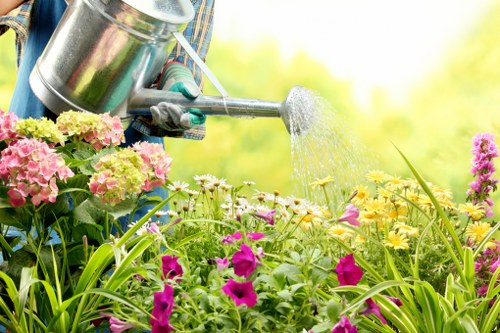 We continuously seek to expand our network of charity partners and local transfer stations to improve accessibility across Shepherds Bush. Collaborative initiatives with neighbouring boroughs and shared depot access allow us to consolidate flows and reduce transport emissions even further. This regional cooperation is key to scaling a practical and resilient sustainable rubbish gardening area for urban gardeners.
Our commitment is both practical and measurable: a clear recycling percentage target, a network of transfer stations and reuse partners, and a progressively decarbonised fleet. The result is a neighbourhood-level model for sustainable garden waste disposal that balances convenience for gardeners with positive environmental outcomes for the community.
 In summary, Gardeners Shepherds Bush aims to be a local leader in sustainable gardening waste management by promoting an eco-friendly waste disposal area, supporting a vibrant sustainable rubbish gardening area, partnering with charities and using low-carbon vans to reduce emissions. With community cooperation, practical sorting systems and a firm recycling percentage target, we turn garden waste into resources for the neighbourhood.

