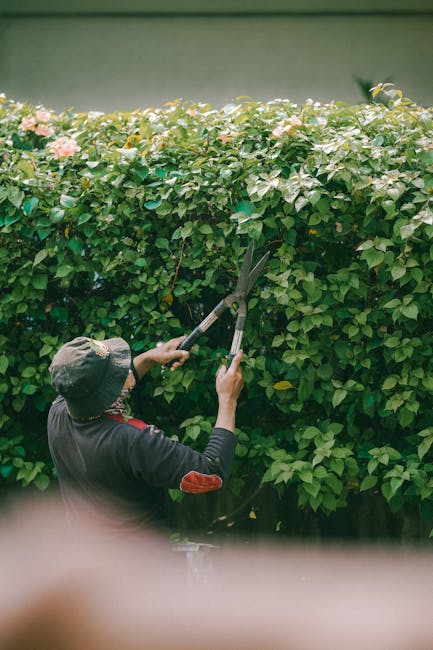
Gardeners serving Goldhawk Road and W12 terraces
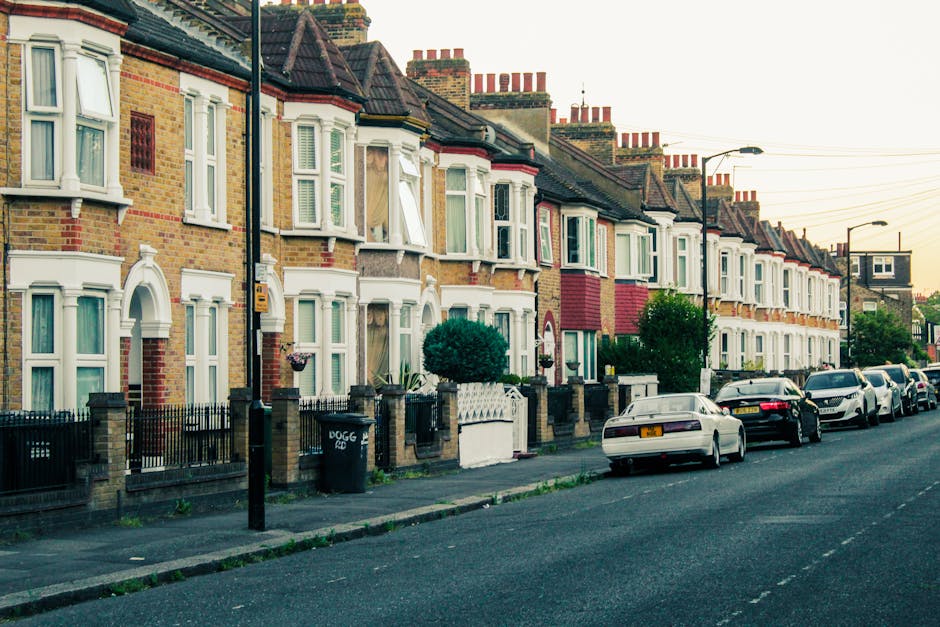
Terraced gardens in W12 can be charming, but they can also be a bit of a juggling act. Narrow access, shared boundaries, tucked-away corners, and that awkward strip behind the kitchen all need attention in different ways. If you are looking for Gardeners serving Goldhawk Road and W12 terraces, you probably want more than a quick tidy-up. You want a garden that feels neat, usable, and easy to keep under control without turning every weekend into a chore.
This guide breaks down what local terrace gardening actually involves, how the work is usually planned, and where professional help makes the biggest difference. We will look at maintenance, clearance, lawn care, hedge work, and the practical bits that matter in real life. Not the fluffy version. The useful version.
To make it easy to scan, here is a quick route through the article.
- Why this matters in Goldhawk Road and W12 terraces
- How the service works
- Key benefits and practical advantages
- Who it is for and when it makes sense
- Step-by-step guidance
- Expert tips for better results
- Common mistakes to avoid
- Tools, resources and recommendations
- Law, compliance and best practice
- Options and comparison table
- Real-world example
- Practical checklist
- Conclusion
- Frequently asked questions
Why Gardeners serving Goldhawk Road and W12 terraces Matters
Terraced properties in this part of west London often come with gardens that are compact, enclosed, and heavily used. That sounds simple enough, but small spaces can be surprisingly demanding. A little moss on the paving becomes a slip risk. A hedge left for too long can block light. A lawn that is only mown now and then starts looking tired fast. And if you share a boundary wall or fence with neighbours, messy growth has a habit of becoming everyone's problem.
Goldhawk Road sits close to busy residential streets, so many gardens here need a service that works around limited side access, parked cars, and the normal realities of city living. You may only have a narrow rear gate, a basement step, or a passageway that makes moving bags of green waste a bit awkward. That is exactly why a local, practical gardening approach matters. It is not just about making things look tidy for a day. It is about setting the garden up so it stays manageable.
There is also the lifestyle side. Terrace gardens are often an extension of the home rather than a separate outdoor space. People eat there, let children play there, dry laundry there, and try to squeeze in some quiet time after work. When the space is overgrown or cluttered, you feel it indoors too. The view from the back door matters more than people think. Truth be told, it can affect the whole mood of the house.
For that reason, many homeowners and landlords choose a more regular service model. If you want a broader overview of what is typically available, the services overview gives a useful starting point, especially when you are comparing what kind of help your terrace actually needs.
How Gardeners serving Goldhawk Road and W12 terraces Works
In practice, terrace gardening usually starts with a simple assessment. The gardener looks at access, layout, plant condition, lawn size, soil quality, drainage, and the amount of accumulated growth. In smaller gardens, the difference between a quick visit and a proper reset can be quite dramatic. One week it is "just a little untidy"; the next, the shrubs have swallowed the path and the bins are hidden behind a jungle. Happens all the time.
From there, the work is often split into one of three patterns:
- Routine maintenance - steady care such as mowing, pruning, edging, weeding, and keeping beds tidy.
- Clearance and reset work - removing overgrowth, broken branches, old pots, dead plants, and garden waste.
- Improvement or redesign support - reshaping the space, refreshing borders, improving flow, or adding new features like decking or planting structure.
For example, a terrace garden that looks okay in spring might need a different approach in late summer. The pace changes with the seasons. In the wetter months, moss and weeds become more noticeable. In warmer months, trimming, watering, and lawn recovery take priority. A good gardener adjusts to that rather than treating every visit the same.
If you are trying to work out whether your garden needs one-off intervention or ongoing care, a page like garden maintenance is helpful because it sets out the idea of continuing support rather than a single clean-up. That distinction matters more than it first appears.
Key Benefits and Practical Advantages
The biggest benefit is obvious: your garden looks and feels better. But in terrace settings, the real value runs deeper than appearances. A tidy outdoor area is easier to use, easier to clean, and easier to enjoy. It also tends to stay healthier, because plants are pruned at the right time and problem areas are spotted early.
Here are the practical advantages people usually notice first:
- Better use of small space - compact gardens need clear structure, otherwise every inch gets visually crowded.
- Healthier plants - regular care helps reduce disease, congestion, and weak growth.
- Safer surfaces - cleared paths and maintained paving reduce trip and slip hazards.
- Less stress - a garden that is under control is far easier to live with.
- Improved kerb appeal - useful for homeowners, landlords, and anyone preparing a property for sale or rental.
There is also a practical money-saving angle. Neglected gardens often take longer to restore than gardens that are kept on top of regularly. A small monthly tidy-up is usually easier than a giant seasonal rescue. It is one of those boring truths that ends up saving effort and, often, cost.
Where lawns are part of the terrace layout, regular cutting makes a big difference. A short, even lawn looks deliberate. A patchy, uneven one makes the whole garden feel half-finished. If turf is central to the space, lawn mowing is one of the simplest ways to keep a terrace feeling cared for without major work.
Who This Is For and When It Makes Sense
This kind of gardening support is not just for people with large gardens or big renovation plans. In fact, terrace owners often benefit the most because they have less margin for error. One missed season and the whole space can start to feel crowded.
It makes sense for:
- Homeowners who want their garden to feel calm and usable
- Landlords who need outdoor areas kept presentable between tenancies
- Busy families who do not have the time for regular outdoor work
- Older residents who want the garden maintained safely and reliably
- People preparing a home for sale or letting
- Anyone dealing with a backlog of weeds, shrubs, or cuttings after a long gap
It also makes sense if your terrace has awkward features. A sloped yard, narrow steps, mature hedging, or heavy planting can all make routine maintenance more complicated than it looks from the back window. A small garden is rarely a simple garden, not really.
If the garden has become too much to tackle in one go, a proper clearance may be the right starting point. For that kind of situation, garden clearance is the more realistic first step before maintenance can work properly again.
Step-by-Step Guidance
If you want to approach terrace garden care sensibly, it helps to think in stages. Rushing straight into trimming or planting can be tempting, but you often get better results by dealing with the basics first.
- Assess the space honestly
Walk the garden and note the obvious issues: overgrowth, blocked access, dead plants, moss, weed pressure, and any broken structures. Be a bit ruthless here. It saves time later. - Clear rubbish and dead material
Remove old pots, damaged canes, fallen branches, and leaf build-up. This opens up the space and shows what is actually worth keeping. - Cut back overgrowth
Hedges, shrubs, climbers, and self-seeded plants often need reducing before anything else makes sense. - Restore the hard landscaping
Sweep paths, clean edges, and check paving or decking for slippery build-up or loose pieces. - Deal with the lawn or planting beds
Mow the grass, edge the borders, and weed beds before adding mulch or fresh plants. - Set a maintenance rhythm
Agree how often the garden should be revisited so it does not drift back into chaos.
When the space includes fences, climbers, or privacy planting, hedge and shrub work can make a surprising difference to light levels and sightlines. For a closer look at this side of the job, hedge trimming is worth considering as part of a regular care plan, not just a once-a-year tidy.
And if the layout includes a sitting area, timber steps, or a raised platform, you may want to think beyond the planting. A worn or slippery deck changes how the whole garden is used, especially after rain. That is where decking services can fit into the bigger picture.
Expert Tips for Better Results
The best terrace gardens usually have one thing in common: they are managed with restraint. People often think a small garden needs more planting, more colour, more features. Sometimes yes. But often the real answer is cleaner lines, healthier spacing, and a little less clutter.
Here are some hard-won tips that genuinely help:
- Keep pathways visually clear. Even a tiny route from door to back gate changes how the garden feels.
- Do not overplant borders. Small gardens can look crowded fast. Leave air around each plant.
- Trim before growth becomes woody. It is easier to shape plants early than to hack them back later.
- Use waste removal as part of the job. Leaving cuttings on site often creates the next problem.
- Think in layers. Ground level, mid-level planting, and vertical structure should work together, not compete.
One practical observation: terraced gardens can look "fine" at ground level but still feel messy from the kitchen window. That happens because the eye reads the whole frame, not just the flower beds. A small amount of edging or height control can change the view more than a new plant ever would.
If you are planning improvements rather than just upkeep, take a look at landscape gardening and landscaping. Those pages are useful when the job shifts from maintenance to reshaping the space more deliberately.
Common Mistakes to Avoid
Terrace gardens are small enough that mistakes show quickly. There is no much room to hide. A few of the most common problems are very avoidable, though.
- Waiting too long between visits - once growth gets out of hand, the job becomes bigger and less tidy.
- Cutting everything back at once - some plants recover badly if you strip them too hard.
- Ignoring drainage - wet spots and compacted soil can quietly ruin a garden over time.
- Using the wrong mower setting - too low and the lawn struggles, especially in dry spells.
- Forgetting access - narrow terraces need a plan for moving waste without damaging walls, gates, or steps.
- Leaving tree work to chance - overhanging branches and leaning growth should be assessed carefully, not roughly guessed at.
Tree and large-branch work deserves particular caution. It is one thing to prune a shrub. It is another to deal with a heavy limb over a boundary or a tight rear garden. In those cases, it is better to treat it as a specialist task and ask whether tree lopping and removal is the right solution.
Another mistake? Assuming all rubbish can be piled up and dealt with later. It rarely works out that way. Wet green waste becomes heavier, sloppier, and more awkward by the hour.
Tools, Resources and Recommendations
You do not need a shed full of equipment to keep a terrace garden under control, but you do need the right basics. Good tools save time, and more importantly, they make the job cleaner. Poor tools make every task feel like a wrestling match with a bush. Nobody needs that on a Tuesday evening.
Useful basics usually include:
- Bypass secateurs for clean pruning cuts
- Long-handled shears for hedge shaping
- A decent lawn mower suited to the size of the lawn
- A sturdy rake for leaves and cuttings
- Weed tools for joints, beds, and edges
- Gloves, eye protection, and sensible footwear
- Heavy-duty bags or a plan for waste collection
For many people, the real recommendation is not another gadget. It is a realistic care plan. A terrace garden that is checked regularly needs less heroic intervention later. If you are comparing ongoing options, pricing and quotes can help you understand how a one-off reset differs from a scheduled maintenance visit.
It can also help to think about sustainability from the start. Compostable waste, responsible disposal, and sensible planting choices all reduce the environmental footprint of the work. If that matters to you, the page on recycling and sustainability is a relevant read.
Law, Compliance, Standards, or Best Practice
For most terrace gardening, the main compliance issue is not a complicated legal one. It is simply doing the job safely and respecting neighbours, property boundaries, and waste handling norms. Still, there are a few good practice points worth keeping in mind.
First, safety matters. Tools, ladders, sharp blades, and heavy waste all carry risk. Reputable providers should work in line with clear health and safety procedures, use suitable protective equipment, and avoid unsafe shortcuts. If you are hiring help, it is sensible to ask how they approach site safety and public liability concerns. The pages on health and safety policy and insurance and safety are useful indicators of how a business thinks about risk and responsibility.
Second, waste should be managed properly. Green waste is not the same as general rubbish, and not all materials should be mixed together. Old timber, soil, cuttings, and broken planters may need different handling. A neat finish should include a tidy waste process too.
Third, boundaries and access need care. In terraced streets, it is easy to overlook shared fences, neighbouring paths, and access routes. Good practice is to protect surfaces, keep noise reasonable, and avoid leaving debris where it could drift into adjoining properties.
Fourth, be clear about service terms. If work is being done at a property, it helps to know exactly what is included, what is extra, and how issues are handled if plans change. The terms and conditions page is relevant here, because clarity avoids awkward surprises later.
None of this is dramatic. It is just the difference between a tidy garden job and a properly handled one.
Options, Methods, or Comparison Table
Different terrace gardens need different approaches. A quick comparison can help you decide what is sensible right now.
| Approach | Best for | Strengths | Limitations |
|---|---|---|---|
| One-off tidy-up | Lightly neglected gardens | Fast, affordable, immediate visual improvement | Needs follow-up to stay neat |
| Clearance and reset | Overgrown or cluttered spaces | Removes backlog and reveals the true layout | Takes longer and may involve more waste |
| Regular maintenance | Occupied homes and rental properties | Keeps the garden manageable all year | Requires consistency |
| Landscape refresh | Spaces that feel dated or awkward | Improves structure and use of space | Needs planning and a bigger decision-making process |
If you are not sure which method you need, start with the simplest question: do you need control, recovery, or redesign? That one question usually clarifies things fast.
Case Study or Real-World Example
A typical terrace job in W12 might begin with a back garden that has been left alone for most of the year. The lawn is patchy, the hedge leans into the neighbour's side, and a few plant pots have become permanent residents rather than decorative features. There is a narrow rear access, so waste has to be carried carefully through the house or down a tight side route. Not ideal, but very common.
On the first visit, the gardener would usually clear broken stems, cut back soft growth, and open up the space. The next step would be shaping the hedge, mowing what can be recovered, and defining the edges so the garden starts to look intentional again. In a job like this, the biggest transformation usually comes not from adding things, but from removing the wrong things.
After that, a follow-up plan might include monthly maintenance, seasonal hedge work, and occasional waste removal. Within a few weeks, the space stops feeling like a burden and starts feeling like part of the home again. Simple enough to say, but honestly it can change how people use the house. The back door gets opened more. People sit out longer. The garden becomes a place rather than a problem.
That is the real outcome people are usually after.
Practical Checklist
Before booking a gardener or starting work yourself, run through this checklist.
- Is access to the garden straightforward, or do bags and tools need a careful route?
- Are there overgrown shrubs, hedges, or climbers that need cutting back first?
- Does the lawn need mowing, repair, or full recovery?
- Are paths, steps, and decking safe and free from slippery build-up?
- Is there a pile of waste, dead plants, or broken items to remove?
- Do you want one-off help or regular maintenance?
- Are there boundary issues with neighbours that should be handled gently?
- Do any larger trees or heavy branches need professional attention?
- Would a simple tidy-up be enough, or is the space due for a bigger refresh?
- Have you checked how terms, payment, and site safety are handled?
If you can answer those questions clearly, the next step becomes much easier.
Conclusion
Terrace gardens around Goldhawk Road and W12 do not need to be huge to need serious attention. In fact, their compact size is exactly why good gardening makes such a visible difference. A small amount of structure, regular cutting, thoughtful pruning, and proper waste handling can turn a cramped, tired outdoor space into somewhere that feels calm and useful again.
The main thing is to be realistic. Start with the condition of the garden, not the idea of the garden. If it needs a reset, reset it. If it needs maintenance, keep it maintained. If it needs redesigning, do that carefully and with a plan. That's the bit people often skip, and then wonder why the space still feels off.
If you are comparing options or planning a local garden project, you may also want to review about us to understand the team behind the service, or head straight to contact us when you are ready to discuss the garden in practical terms.
Get a free quote today and see how much you can save.
And if your terrace has been quietly asking for help for a while, that is fine. Gardens have a way of waiting patiently. You can still bring it back, step by step.
Frequently Asked Questions
What do gardeners serving Goldhawk Road and W12 terraces usually help with?
They usually handle routine maintenance, hedge trimming, lawn mowing, border care, clearance, pruning, and small-scale garden improvements. In terrace settings, they also need to work around narrow access and limited space.
How often should a terrace garden be maintained?
That depends on the growth rate, how much the garden is used, and the season. Many terrace gardens benefit from regular visits rather than waiting for problems to build up. A monthly or fortnightly rhythm often keeps things manageable.
Is one-off garden clearance better than regular maintenance?
It depends on the condition of the space. If the garden is heavily overgrown, clearance is usually the better first step. If it is already in decent shape, maintenance will usually be more efficient and easier to keep up.
Can a small terrace garden really look good?
Yes, absolutely. Small gardens can look excellent when the layout is clear, planting is controlled, and the boundaries are well kept. In many cases, less clutter makes a terrace feel bigger.
What should I do before a gardener arrives?
Move personal items if needed, make access clear, and note any specific concerns such as boundary issues, damaged paving, or plants you want to keep. A short list helps the job run more smoothly.
Do I need hedge trimming every year?
Many hedges benefit from regular trimming, though the exact timing depends on the plant type and how quickly it grows. In terrace gardens, even a small hedge can affect light and privacy, so keeping it neat is usually worthwhile.
What if my garden has slippery paving or decking?
That is a common issue in shaded or damp spaces. The surface should be cleaned and checked carefully, because moss and algae can make paths and steps unsafe. If decking is involved, maintenance around it matters too.
Are tree lopping and removal services necessary for small gardens?
Sometimes, yes. A small garden can still have a tree that is too large, poorly placed, or affecting a boundary wall or neighbouring light. In those cases, it is better to assess the tree properly rather than leave it until it becomes a bigger issue.
How do I know whether I need landscaping rather than simple gardening?
If the garden only needs tidying, pruning, and regular care, gardening is probably enough. If the layout feels awkward, the surfaces are worn, or the space no longer suits how you use it, landscaping may be more appropriate.
What is the benefit of using a local service for W12 terraces?
A local service is usually better placed to understand access, parking, the pace of urban gardens, and the practical realities of terrace properties. That often means more realistic planning and less wasted time on site.
Do I need to worry about safety and insurance?
Yes, it is sensible to ask. Gardening may look straightforward, but tools, ladders, waste, and awkward access all bring risk. A provider with clear safety practices and insurance information is usually a safer choice.
Can I combine maintenance and clearance in one visit?
Often, yes. That is actually quite common in terrace gardens that have slipped behind schedule. A gardener may clear the space first and then complete selected maintenance tasks if time and access allow.
For broader service details, it can also help to revisit the services overview, especially if you are deciding between a quick tidy, regular care, or a bigger refresh.