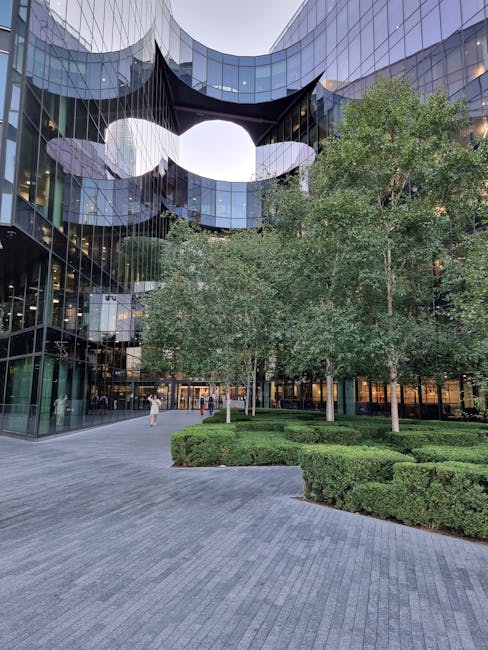
Best gardening services Shepherds Bush Westfield London shops: a practical local guide
If you are searching for the Best gardening services Shepherds Bush Westfield London shops, you are probably after something quite specific: a tidy, reliable outdoor space that looks good, works hard, and does not become another job on your list. Maybe it is a shopfront planter that has gone a bit wild, a courtyard that needs regular care, or a larger commercial frontage near Westfield that has to stay neat all year round. Either way, good gardening support is not just about grass cutting. It is about keeping a property presentable, safe, and easy to maintain without constant hassle.
In a busy part of West London, that matters more than people sometimes realise. Customers notice a crisp hedge, clean edges, and healthy planting. They also notice the opposite. This guide breaks down what to look for, how local gardening services usually work, which options suit different spaces, and how to choose with confidence rather than guesswork. And yes, we will keep it practical.
For a broader look at the types of help available, you can also browse the services overview and, if you want to understand the company background first, the about us page is a sensible place to start.
Table of Contents
- Why Best gardening services Shepherds Bush Westfield London shops matters
- How Best gardening services Shepherds Bush Westfield London shops works
- Key benefits and practical advantages
- Who this is for and when it makes sense
- Step-by-step guidance
- Expert tips for better results
- Common mistakes to avoid
- Tools, resources and recommendations
- Law, compliance, standards, or best practice
- Options, methods, or comparison table
- Case study or real-world example
- Practical checklist
- Conclusion
- Frequently asked questions
Why Best gardening services Shepherds Bush Westfield London shops Matters
Garden care around Shepherds Bush and the Westfield area is about more than appearances, although appearances are a big part of it. Shopfronts, shared courtyards, small hospitality terraces, office entrances, and mixed-use properties all rely on outdoor spaces that feel cared for. If planting beds are overgrown or paths are littered with clippings, the whole place can feel a bit tired. Not ideal when you are trying to create a good first impression.
There is also the practical side. Poorly maintained hedges can block sightlines. Uncontrolled growth can make access awkward. Wet leaves, moss, and debris can create avoidable slip risks. In our experience, the issue is rarely one dramatic problem; it is usually lots of small ones that build up. A missed trim here, a patch of dead turf there, a clearance job put off for another month. Then suddenly the space feels harder to manage than it should.
This is why local businesses and property managers look for gardening support that is responsive, consistent, and suited to urban settings. A service that understands tight access, busy delivery windows, neighbour considerations, and the general pace of London life tends to be worth more than a one-off cut-price visit. To be fair, a cheap fix that creates more work later is not really a bargain at all.
Expert summary: the best gardening service for a Westfield-adjacent shop or business is not just the one that cuts grass well. It is the one that keeps the site tidy, predictable, and easy to run with minimal disruption.
How Best gardening services Shepherds Bush Westfield London shops Works
Most professional gardening work starts with an assessment of the site. That might sound obvious, but it matters. A small paved frontage with containers, a larger rear garden, a retail entrance with shrubs, or a shared commercial space all need different approaches. The job is usually scoped around what the space actually needs rather than a generic package.
Typical work can include regular garden maintenance, seasonal tidy-ups, hedge trimming, lawn care, clearance, planting refreshes, or larger changes through landscaping and landscape gardening. For many busy sites, the most useful setup is a repeat schedule. That way, the property stays under control instead of swinging between "fine" and "slightly alarming".
If there is a lot of waste, overgrowth, or leftover material from a long-neglected area, a proper garden clearance may be the starting point. Once the space is reset, ongoing maintenance becomes much easier and cheaper in the long run. That is one of those small truths people learn the hard way.
Work can also be split by task. For example, one visit may focus on lawn mowing and edging, another on hedge trimming, and a separate appointment on planting, weeding, or hard landscaping tasks. If your site includes timber features, decking services may be relevant too, especially where outdoor seating or customer-facing areas are involved.
The basic workflow is usually straightforward:
- Initial discussion of the site, priorities, and timing.
- Survey or photo-based review to understand scope and access.
- Quote or estimate based on work required.
- Scheduled visit, with tools and waste handling planned in advance.
- Completion, tidying, and any agreed follow-up recommendations.
For pricing clarity, it helps to review the site's pricing and quotes information before booking. And if security or payment handling matters to your business, the payment and security page can help set expectations.
Key Benefits and Practical Advantages
The obvious benefit is a better-looking outdoor area. But let's go a bit deeper, because that is only part of the story. The right gardening service can reduce stress, improve safety, and protect the long-term condition of the space. For commercial properties, those are not small gains.
- Better first impressions: clean borders, healthy plants, and neat edges make a property feel cared for.
- Less emergency work: regular attention prevents the "oh no, it has all grown back" moment.
- Safer access: trimmed growth, cleared paths, and waste removal help reduce avoidable hazards.
- More predictable costs: routine work is usually easier to plan than big one-off recovery jobs.
- More usable space: patios, entrances, and communal areas become places people actually want to use.
- Seasonal resilience: a well-kept garden handles wet weather, dry spells, and sudden growth far better.
There is also a quieter benefit: peace of mind. If you manage a shop or business near Westfield, you probably have enough to think about already. Stock, footfall, staff, deliveries, maintenance, the usual. Knowing the outdoor area is under control means one less thing pulling at your attention.
Another practical advantage is consistency. Regular gardening support creates a standard. The space stops looking like it has been handled by "whoever had time this week" and starts looking intentional. That small difference can really show, especially in a busy retail setting.
Who This Is For and When It Makes Sense
This kind of service is not only for large estates or fancy show gardens. In fact, the most common users are often the places you pass without thinking: shop fronts, small business courtyards, managed residential blocks, hospitality terraces, schools, clinics, and private homes with limited time to spare.
It makes sense if any of these sound familiar:
- Your frontage looks tidy only for a few days after DIY maintenance.
- Plants are healthy in theory, but there is no one to water, trim, or clear them properly.
- You need a reliable schedule rather than ad hoc visits.
- Waste and cuttings are becoming a nuisance.
- The garden has become too much for in-house staff to manage safely.
- You are preparing a property for letting, sale, or public-facing use.
For businesses around Shepherds Bush and Westfield, there is often an added pressure: timing. Work needs to happen without disrupting opening hours, deliveries, or customer movement. That means flexibility matters. A service that can plan around access and peak periods is often a better fit than one that only works on its own timetable. Bit obvious, perhaps, but easy to overlook.
Homeowners can benefit too, especially if the garden is small but fiddly. Tiny urban spaces can be strangely time-consuming. One overgrown hedge, a narrow side return, and a patch of stubborn weeds can swallow a weekend before you know it.
Step-by-Step Guidance
If you are trying to choose the right gardening support, keep things simple and structured. A sensible process usually saves more time than rushing into the first available option.
- Define the job clearly. List what needs doing now and what needs ongoing care. Separate urgent jobs from nice-to-have improvements.
- Look at the access and layout. Can tools and waste be moved easily? Is the area public-facing? Are there steps, narrow gates, or shared entrances?
- Decide on frequency. One-off clearance, seasonal work, fortnightly care, or monthly maintenance all suit different sites.
- Ask what is included. Trimming, lawn care, waste removal, planting, edging, and finish-up tidying can vary a lot between providers.
- Review safety and insurance. For busy or shared sites, this is not a box-tick exercise. It is basic due diligence.
- Check the quote structure. Make sure you understand whether the price covers labour only, materials, disposal, or follow-up visits.
- Book a first visit and review the result. A good first job should leave the space noticeably easier to manage, not just superficially tidier.
Sometimes the right move is not a big makeover at all. It is a reset. A simple clearance, a lawn tidy, and a proper maintenance plan can deliver more value than a dramatic redesign. Then, once the place is under control, you can plan bigger improvements with a clear head.
Expert Tips for Better Results
A good garden service is not only about skill. It is also about timing, communication, and knowing what not to overdo. A few practical tips can make a big difference.
- Trim before things look messy. Waiting until growth is out of control usually makes the job harder and the result less neat.
- Match the service to the season. Spring and early summer may need more frequent attention than winter, while autumn can bring leaf clearance and damp-related issues.
- Keep a basic site note. If there is a section that floods, a plant that is fragile, or an access point that needs care, say so early.
- Protect customer-facing areas. For shopfronts, ask for tidy finish standards around edges, paths, and visible planting.
- Use maintenance as prevention. It is usually cheaper to keep a space under control than to rescue it later.
- Separate soft landscaping from hard features. Soil, planting, and lawn care are different from timber or structural work. They should be planned that way.
If your property has mature trees or larger woody growth, it is worth discussing whether tree lopping and removal is relevant. That kind of work needs careful handling, especially near buildings, footpaths, and neighbouring properties. No one wants a heavy branch making its own decisions.
And one more thing: ask for plain English. If a provider cannot explain what they are doing in simple terms, that is rarely a good sign. Good trade work should sound clear, not mysterious.
Common Mistakes to Avoid
Most bad outcomes come from a few predictable mistakes. None of them are dramatic on their own, which is exactly why they slip through.
- Choosing only on price: the cheapest quote can be fine, but only if it actually covers the right scope.
- Assuming all gardening is the same: lawn care, hedge work, clearance, and landscaping are not interchangeable.
- Ignoring waste removal: tidy work that leaves piles of cuttings behind is not really finished.
- Booking one-off work for a chronic problem: some spaces need regular maintenance, not a rescue every few months.
- Skipping the site review: photos help, but an in-person look or detailed briefing often avoids surprises.
- Forgetting about access and timing: a perfect plan on paper can still fail if it clashes with deliveries or opening hours.
Another common mistake is expecting a newly cleared space to stay low-maintenance without any follow-up. Nature, rather annoyingly, does not sign up to your timetable. Once a garden has been neglected for a while, weeds and regrowth can return fast. That is why maintenance planning matters just as much as the first clean-up.
Tools, Resources and Recommendations
You do not need a van full of specialist kit to make a better decision, but a few simple resources help. Start with a clear list of what you want done, how often it needs doing, and what the site currently looks like. Photos taken in daylight are surprisingly useful. Early morning is often best, when shadows make overgrowth and uneven edges easier to spot.
If you are comparing service types, these pages can help you think it through:
- ongoing garden maintenance for routine upkeep
- lawn mowing for grass-heavy spaces
- hedge trimming for shaping and boundary control
- garden clearance when the site needs a full reset
- landscape gardening for broader design and planting changes
For businesses, it also helps to keep an internal note of preferred visit times, access instructions, and contact details for whoever is onsite. Nothing fancy. Just enough to stop the back-and-forth that wastes everyone's day.
If sustainability matters to your organisation, take a look at the recycling and sustainability page as well. Responsible waste handling and sensible material use are increasingly part of good service, not a bonus extra.
Law, Compliance, Standards, or Best Practice
Garden and grounds work often looks simple from the outside, but safe practice matters. UK sites may involve sharp tools, power equipment, ladders, uneven surfaces, heavy waste, and work near the public. So even for a modest job, the provider should approach it with care.
For commercial settings, it is reasonable to expect attention to insurance, risk awareness, and practical safety controls. That does not mean every job needs a full technical report. It does mean the team should work sensibly, manage hazards, and leave the site in a condition that is safe and tidy. The insurance and safety page is useful here, as is the health and safety policy.
Best practice usually includes:
- clear communication about the scope of work
- safe handling of tools and waste
- care around public access points
- respect for neighbouring properties
- appropriate disposal or recycling of green waste where possible
- transparent payment and service terms
If there is a complaint or service issue, a clear process helps everyone. That is why a published complaints procedure is a good trust signal. It suggests the business expects to handle real-world work professionally, not just talk about it.
You may also want to review the terms and conditions and privacy policy if you are booking on behalf of a business or handling customer data. Small detail, yes, but these are the things that reduce confusion later.
Options, Methods, or Comparison Table
Different sites need different kinds of help. A quick comparison can make the choice much easier.
| Service option | Best for | Typical strengths | Watch-outs |
|---|---|---|---|
| Regular maintenance | Shopfronts, offices, managed homes | Consistent appearance, easier budgeting, fewer surprises | Needs an ongoing schedule |
| One-off clearance | Overgrown, neglected, or vacant spaces | Fast reset, immediate visual improvement | May need follow-up maintenance soon after |
| Lawn care focus | Properties with prominent turf areas | Sharp finish, neat borders, good seasonal results | Not enough if planting beds are also messy |
| Hedge and shrub work | Boundary lines, frontages, privacy screening | Cleaner profile, better sightlines, stronger curb appeal | Can become frequent during peak growing periods |
| Landscaping or redesign | Spaces needing structural or visual change | Longer-term improvement, better use of space | Usually needs more planning and budget |
In a lot of real-world cases, the best answer is a mix. For example, a shop frontage might only need monthly maintenance, but a back area could need one initial clearance and then seasonal trimming. Simple, really. Not glamorous, but effective.
Case Study or Real-World Example
Picture a small retail unit close to the Westfield area. The frontage has containers, a narrow strip of planting, and a few shrubs that had started to lean into the footpath. Nothing catastrophic. Just enough to make the place look a bit tired. Staff had been tidying it now and then, but it was always a quick fix, never a proper reset.
The first visit focused on the basics: clearing debris, trimming back growth, shaping the hedging, and neatening the visible edges. The work was not especially dramatic, which is often the best sign. After that, a simple maintenance pattern was set up so the space would not drift back into the same state. A few weeks later, the frontage felt lighter, cleaner, and easier to pass by. The difference was subtle but real.
That is usually how good gardening services work in practice. Not a big before-and-after reveal with music in the background. Just a steady improvement that makes life easier and the property look like someone cares. Honestly, that is what most clients want.
Practical Checklist
Use this checklist before you book anything:
- Have I listed the exact tasks I need done?
- Is this a one-off job, or do I need ongoing maintenance?
- Do I know which parts of the site are visible to customers or the public?
- Have I thought about access, opening hours, and waste removal?
- Does the service offer the type of work I actually need, such as lawn mowing, hedge trimming, or garden clearance?
- Have I checked insurance, safety, and payment expectations?
- Do I understand what is included in the quote?
- Will the service leave the site tidy, not just cut?
- Do I need sustainability or waste-handling considerations?
- Is there a clear route to ask questions or raise issues if needed?
If you can tick most of those boxes, you are in a strong position. If not, pause and clarify. It is always easier to ask one more question now than to fix a messy outcome later. Very much easier.
Conclusion
Choosing the Best gardening services Shepherds Bush Westfield London shops is really about fit. Fit for the site, fit for the schedule, fit for the level of care you want, and fit for the amount of maintenance you are actually willing to take on. A good provider should make the space easier to manage, not create another complicated relationship to juggle.
Whether you need a straightforward tidy-up, reliable routine maintenance, or a larger improvement plan, the key is to match the service to the reality of your property. The smartest decisions are usually the simple ones: clear scope, sensible timing, safety awareness, and regular care where it matters.
Get a free quote today and see how much you can save.
If you are still comparing options, a quick look at the company's services overview and pricing and quotes information can help you decide what feels right. And if you prefer to understand who you are dealing with first, the about us page is worth a minute of your time. Sometimes the calm, sensible route is the best one. No drama needed.
Frequently Asked Questions
What does Best gardening services Shepherds Bush Westfield London shops usually include?
It usually includes regular upkeep such as lawn care, hedge trimming, weeding, pruning, clearance, and general tidying. Some jobs also include planting refreshes or light landscaping. The exact scope depends on the site and the service agreement.
Is regular maintenance better than one-off gardening work?
For most busy commercial spaces, yes. Regular maintenance keeps the property presentable and usually prevents bigger, more expensive recovery jobs later. One-off work is useful for resets, but ongoing care is often more efficient.
How often should a shopfront or business garden be maintained?
That depends on growth rate, exposure, and footfall. Some spaces need weekly or fortnightly attention during peak growth, while others do fine on a monthly schedule. A good provider will help you set a realistic rhythm.
Do I need garden clearance before starting maintenance?
If the space is heavily overgrown or cluttered, clearance is often the best first step. It gives you a clean base so future maintenance can actually work. Without it, you may just be trimming chaos, which is not ideal.
Can gardening services work around shop opening hours?
Often, yes. Many commercial jobs are planned around deliveries, customer traffic, and quieter periods. That said, it is best to discuss access early so the service can plan properly.
What should I look for in a quote?
Look for clarity on the tasks included, waste removal, visit frequency, and any materials or extra work that may be charged separately. A quote should make the scope easy to understand, not leave you guessing.
Are landscaping and garden maintenance the same thing?
No. Maintenance is about keeping an existing space tidy and healthy. Landscaping usually involves changing the layout, structure, or planting design. The two can work together, but they are not the same job.
How do I know if a gardening service is suitable for a commercial site?
Check whether they understand safety, access, scheduling, and public-facing presentation. For a business or shop setting, these practical details matter just as much as the gardening itself.
What happens to green waste and cuttings?
That depends on the service arrangement. Some providers include removal, while others may leave waste for the client to handle. If disposal matters to you, ask before work begins and confirm it in writing if possible.
Can tree work be included in a garden job?
Sometimes. Smaller tree-related tasks may be part of a broader visit, but larger or more complex work should be discussed specifically. If trees are involved, it is sensible to ask about safety, access, and whether the job needs separate planning.
How do I compare gardening services without getting overwhelmed?
Keep it simple. Compare scope, reliability, safety, communication, and price together. If one option is cheaper but vague, that is a warning sign. If another is clear and practical, it is often the better long-term choice.
Where can I learn more about the service provider before booking?
You can review the about us page, check the insurance and safety details, and read the terms and conditions. That gives you a fuller picture before you move ahead.
What if I need help but only have a small outdoor space?
Small spaces still benefit from professional attention, especially in urban areas where growth can make them feel crowded quickly. A compact courtyard, frontage, or side return can look dramatically better with a little regular care.